
Guides
Portuguese wines: regions, styles and how to choose them for your business
Portugal offers some of the best value wines in Europe. This guide sums up what each region brings and how to combine them into a retail range or restaurant list.
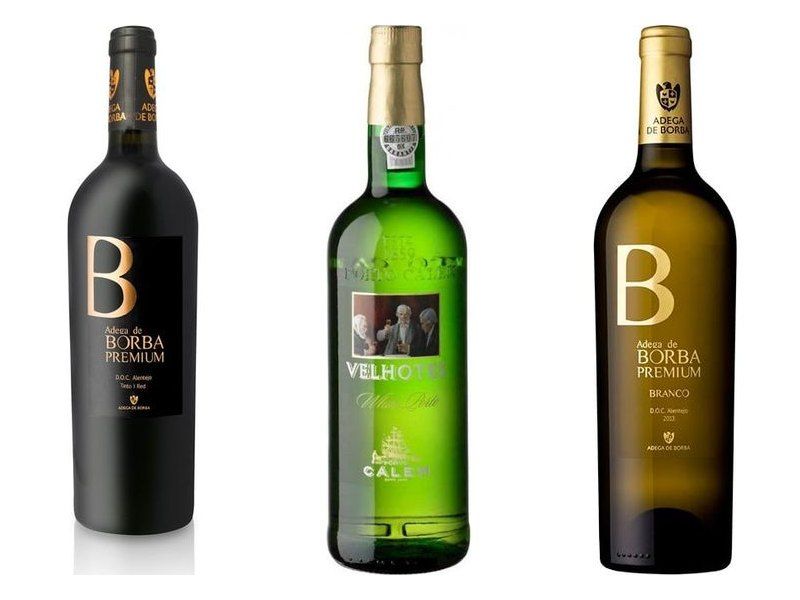
Portugal has more than 250 native grape varieties and centuries of winemaking tradition, yet for many European buyers it remains largely undiscovered. For a distributor, that is an opportunity: wines with real character, at prices French, Italian or Spanish competitors rarely match, and a large Portuguese community across Europe that asks for them by name.
The regions that matter most to trade buyers
Alentejo: the everyday red
South of the Tagus, the Alentejo makes ripe, round, fruity reds from varieties such as Aragonez, Trincadeira, Alicante Bouschet and Touriga Nacional, and whites from Antão Vaz and Arinto. It is the region most consumers feel comfortable with, and the one that performs best on the shelf.
In our catalogue: Herdade do Esporão, Adega de Borba, Adega de Redondo (Porta da Ravessa, Anta da Serra), Adega Cartuxa and Carmim (Monsaraz, Reguengos).
Douro: structured reds and port
The Douro valley is the home of port and, increasingly, of full-bodied table wines made from Touriga Nacional, Touriga Franca and Tinta Roriz. It is the choice when the customer wants something special for an occasion.
In our catalogue: Ramos Pinto (Duas Quintas, Bons Ares), Charamba and ports from Cálem and Ferreira.
Vinho Verde: fresh whites for summer and seafood
In the north-west, the Vinho Verde designation produces light, crisp, aromatic whites, often with a slight spritz, ideal with fish and shellfish. Alvarinho, especially from Monção and Melgaço, is its most prestigious variety.
In our catalogue: Aveleda and Casal Garcia, Gazela, Adega de Monção (Deu La Deu, Muralhas) and Adega de Ponte da Barca.
Dão: balance
Among the mountains of central Portugal, the Dão makes fresher, more elegant reds than the south, led by Touriga Nacional, and whites from Encruzado. It suits wine lists looking for something different without a big jump in price.
In our catalogue: Cabriz and Grão Vasco.
Fortified wines: port and moscatel
- Ruby port: young, fruity and deeply coloured. For aperitifs and cocktails.
- Tawny port: cask-aged, with nutty notes. 10 and 20-year-old tawnies are the most accessible premium range.
- White port: the base for Porto tónico, a fast-growing aperitif.
- Moscatel do Douro: sweet and aromatic, such as the one from Favaios.
How to build a Portuguese wine range
For a shelf or a list that works, we recommend covering four slots:
- A mid-priced Alentejo red for everyday sales.
- A Vinho Verde white, fresh and easy, for fish and summer.
- A Douro or Dão red for customers who want something more.
- A tawny and a white port for dessert and aperitif.
For foodservice, the 5-litre bag-in-box offered by some wineries (Borba, Carmim, Redondo, Sivac) is a very cost-effective house wine.
Logistics: what you need to know
Wine is an excise good. Within the European Union it travels with an electronic document that accompanies the goods, and duty rates vary from country to country. Wine is also heavy and fragile: consolidating it with other categories in the same load greatly reduces the cost per bottle.
At Valenfood we stock more than 200 Portuguese and Spanish wines and combine them with the rest of your food order. If you want to build or refresh your range, tell us your channel and price bracket and we will propose a selection.
Frequently asked questions
Which Portuguese region should I choose for a fast-selling red?
The Alentejo is the safest bet: ripe, fruity, easy-drinking reds with excellent value and brands consumers recognise.
What is the difference between ruby and tawny port?
Ruby port spends a short time ageing in large vats and keeps its red fruit and deep colour. Tawny ages longer in small casks, oxidises slowly and develops nutty, caramel notes; tawnies with an age statement (10, 20 years) are the most sought after.
Is vinho verde a green wine?
No. Vinho Verde is a designation of origin in northern Portugal. Most are fresh, light whites, often with a slight spritz, although reds and rosés are also made.
